An automatic door is one of the simplest upgrades that improves safety and reduces daily stress. The best models are reliable in bad weather, resist predators, and still open/close gently.
See Our Top Recommendation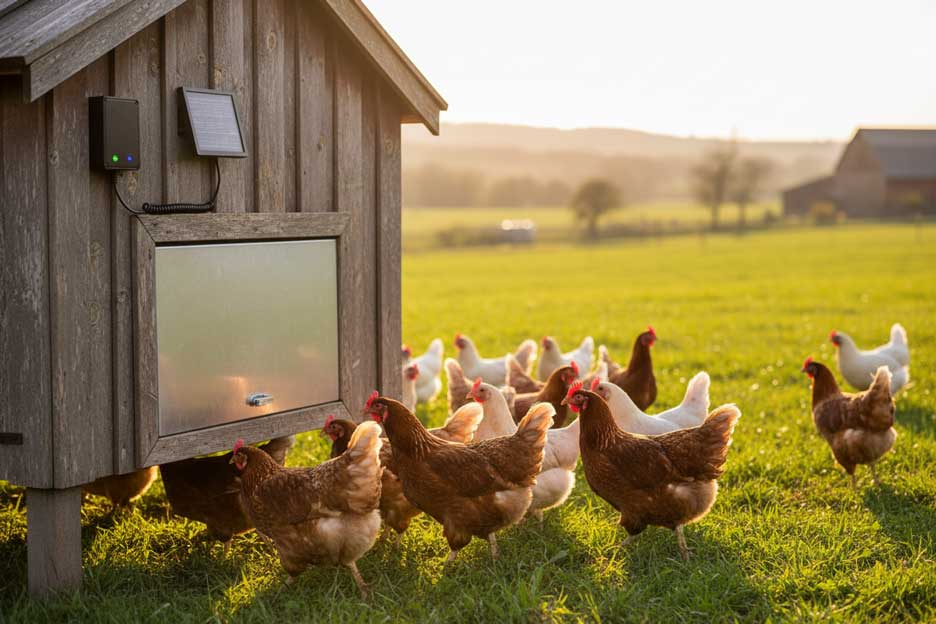
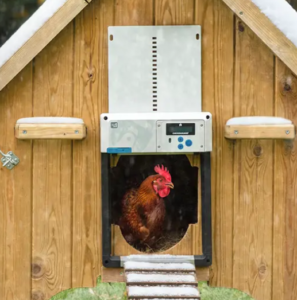
ChickenGuard Premium
A dependable, beginner-friendly door with a simple schedule/light sensor option, a strong closing mechanism, and reliable operation through cold/wet seasons.
Disclosure: This is an affiliate link. If you buy through it, we may earn a commission at no extra cost to you.
The biggest risk with an auto door isn’t convenience — it’s reliability. A door that fails at night can put your flock at risk.
We prioritized:
Tip: If you live in a wet climate, place the door under an overhang and keep the track as dry as possible.
A balanced choice for most suburban backyards: reliable closing, intuitive controls, and good durability.
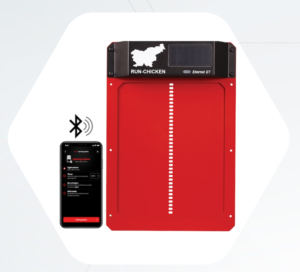
A practical, budget-friendly door that covers the basics well — especially if you don’t need advanced settings.
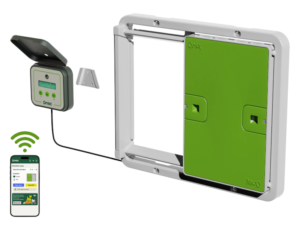
A great choice if you want fewer battery swaps and more “set it and forget it” operation.
Even great doors can fail if installed in a spot that traps water, mud, or bedding in the track. These simple steps help reliability.
If you’re still choosing a coop, make sure the door opening is compatible with common auto-door sizes: See Best Coop Kits for 4 Hens →
They help a lot — but only if the door closes fully and can’t be lifted or pried open. The coop and run still need predator-proofing (hardware cloth, secure latches, and dig protection).
Light sensors are “set and forget,” but can be affected by artificial lighting. Timers are consistent, but you’ll adjust seasonally. Many people prefer models that offer both.
Quality doors close slowly or stop/reverse if they meet resistance. During the first week, watch evening behavior and adjust timing so hens are inside before closing.
Not strictly — but it reduces human error, keeps your schedule flexible, and improves safety when life gets busy.
The right automatic door adds real peace of mind — especially at dusk when predators are most active.
View Our Top Pick